Cute Hippo: A Pro Review for Small Business Merch
As an experienced embroidery designer who has spent years digitizing and stitching for commercial clients, I approach every new machine embroidery design with a critical eye. It is not just about whether a file looks cute on a screen; it is about how that digital embroidery file performs under the needle when producing hundreds of units for a brand. Today, I am reviewing Cute Hippo, a design categorized under Baby Animals, specifically evaluating its potential for small business merchandise, branded patches, and professional apparel decoration.
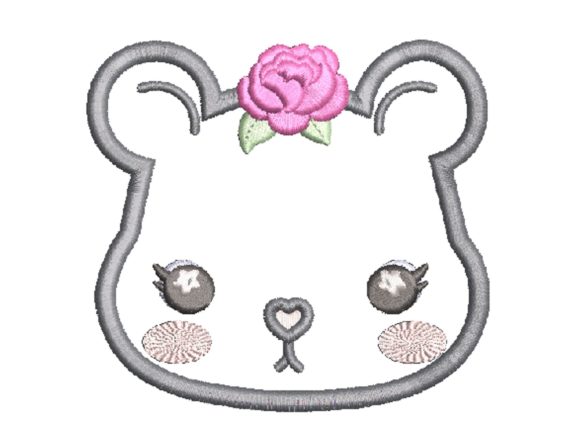
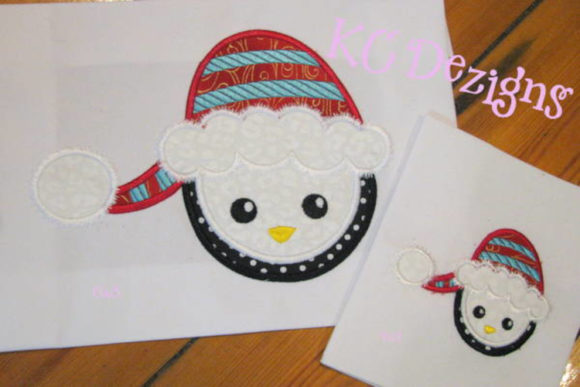
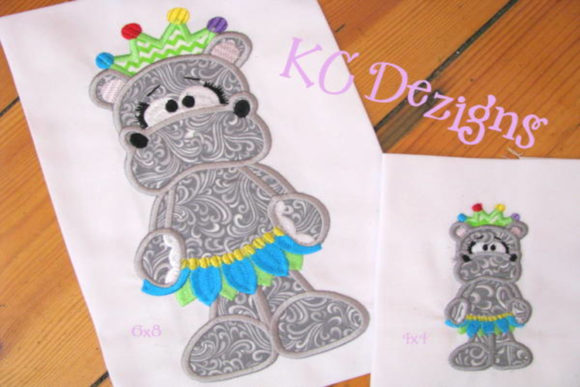
Upon first inspection, Cute Hippo exudes a friendly and playful personality. The description highlights that this is a machine applique design, which immediately signals a specific texture and visual depth to the finished product. Applique work often lends itself well to a handmade aesthetic, making it perfect for boutiques, bakeries, florists, and creative studios that want to project a warm, approachable brand identity. Unlike dense satin stitch logos that can feel corporate and rigid, an applique hippo suggests creativity and care, qualities that resonate deeply with customers of handmade brands and Etsy sellers.
Real-World Application for Commercial Embroidery
The true test of any design asset is its versatility in a commercial setting. For a local café or a pet brand, Cute Hippo could serve as an excellent chest logo accent on staff uniforms. Because it is described as "perfect for the kids," it naturally fits businesses targeting families or offering children's services. Imagine this design stitched onto a canvas tote bag given as a customer gift; the applique technique adds a tactile element that elevates the perceived value of the small business merch.
For those running an embroidery shop, this design offers significant opportunities for custom apparel. It works beautifully as a sleeve detail on denim jackets or as a focal point on baby onesies. The availability of the design in three different hoop sizes is a crucial feature for professional use. This flexibility allows you to scale the graphic appropriately, whether you are creating a large back patch for a hoodie or a subtle mark on a cap brim. However, when considering cap embroidery, one must be mindful of the curvature. Applique layers can add bulk, so testing the design on a structured cap front is essential to ensure the fabric does not pucker or distort the hippo's shape.
In the realm of embroidered patch production, Cute Hippo shows strong promise. Patches are a trending item for brand recognition, allowing customers to wear their loyalty on backpacks or jeans. The distinct shapes inherent in animal designs usually translate well to patch formats, provided the tack-down stitches are secure. For a boutique selling handmade product lines, adding a branded patch with this hippo to packaging or hang tags can create a cohesive unboxing experience that boosts buyer engagement.
Technical Considerations and Stitch Performance
While the aesthetic appeal is high, a professional review must address the technical execution. Since Cute Hippo is an applique design, the workflow involves multiple steps: placing the fabric, stitching the outline, trimming, and then covering the edges. This process requires precision. When working with thread colors, contrast is key. If a client requests this on a dark uniform, you must ensure the applique fabric chosen is light enough to make the hippo pop, or that the border stitching provides sufficient definition.
One area requiring careful attention is stitch density. Applique designs generally have lower density than full-fill logos, which is beneficial for comfort on apron embroidery or items worn against the skin. However, the edges where the applique fabric meets the base material are vulnerable to fraying if not properly secured. For items that need frequent washing, such as restaurant aprons or school shirts, I recommend running a test wash cycle on your sample. Check if the edges lift or if the stabilizer dissolves completely without leaving residue that might irritate the skin.
Fabric texture also plays a massive role in the success of this design. On smooth cotton or poly-blends, the clean lines of the hippo will shine. However, on textured fabrics like heavy wool or looped towels, the finer details of the face or limbs might get lost. In these cases, increasing the size of the design within the available hoop size limits may be necessary to maintain clarity. Always remember that the product description states you will need appropriate software; this implies you may need to edit the file to optimize it for specific materials before production begins.
Impact on Brand Identity and Professionalism
Choosing the right graphic is fundamental to building brand identity. Cute Hippo brings a sense of whimsy that can soften a brand's image. For a pediatric dentist or a toy store, this design reinforces trust and friendliness. It tells the customer that the business is approachable and fun. Conversely, using such a playful design on a high-end luxury item might undermine the perception of exclusivity unless styled ironically or as part of a specific streetwear collection.
Visual consistency is vital when integrating new design assets into an existing catalog. Before committing to a large run, compare Cute Hippo beside other logo elements. Does the line weight match your current typography? Do the colors align with your brand palette? Creating a printable mockup for client approval is a best practice that saves time and money. It allows the business owner to visualize how the hippo will look on a tote bag versus a hat, ensuring the final decision supports their marketing goals.
Essential Designer Notes for Production
To ensure the highest quality output when using Cute Hippo for commercial projects, adhere to the following practical steps:
- Test in Black and White First: Before selecting vibrant threads, stitch a sample in monochrome to verify that the shapes and spacing hold up without relying on color contrast.
- Check Small Patch Viability: Verify if the design retains its integrity at the smallest hoop size. Tiny details in the eyes or snout may merge if scaled down too far.
- Review Thread Color Contrast: Ensure the border stitch stands out clearly against both the applique fabric and the garment color.
- Inspect Spacing and Density: Look for gaps between the applique edge and the tack-down stitch that could lead to fraying over time.
- Confirm Hoop Size Compatibility: Match the design version to your machine's capabilities to avoid re-hooping errors during production runs.
- Use Proper Stabilizer: Select a cut-away stabilizer for stretchy fabrics like t-shirts to prevent distortion, while tear-away may suffice for stable wovens.
- Create a Mockup: Always present a digital or physical mockup to the client to manage expectations regarding size and placement.
- Verify Licensing: Crucially, confirm the commercial licensing terms before selling items featuring this design. The description notes it is for machine use, but explicit permission for resale of finished goods should be verified with the creator.
In conclusion, Cute Hippo is a versatile and charming addition to the Baby Animals category of Embroidery designs. With its applique construction and scalable options, it holds significant potential for small businesses looking to add a touch of personality to their merchandise. By respecting the technical nuances of applique work and conducting thorough testing on various fabrics, embroidery professionals can leverage this design to create high-value, memorable products that strengthen customer connections and drive brand loyalty.