Beautiful Dragonfly: A Designer's Review for Business Merch
As an embroidery designer who spends countless hours digitizing and testing files for commercial use, I approach every new machine embroidery design with a critical eye. It is not just about whether the image looks pretty on a screen; it is about how that digital embroidery file translates into a tangible asset for a small business. Today, I am reviewing the Beautiful Dragonfly, a design categorized under Bugs, to see if it holds up as a viable option for branded patches, staff uniforms, and boutique merchandise.
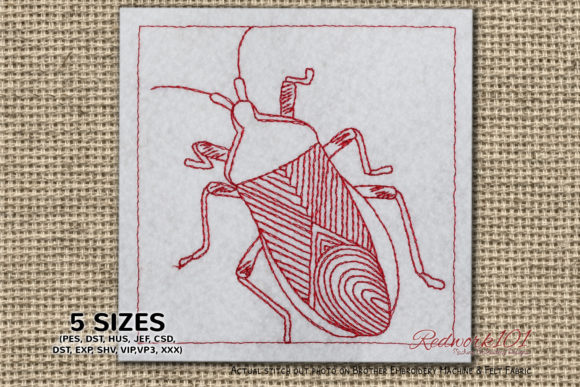
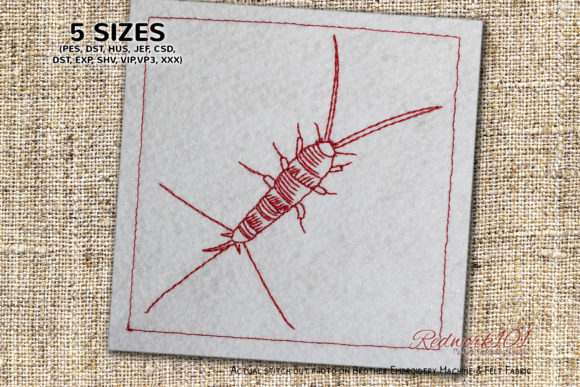
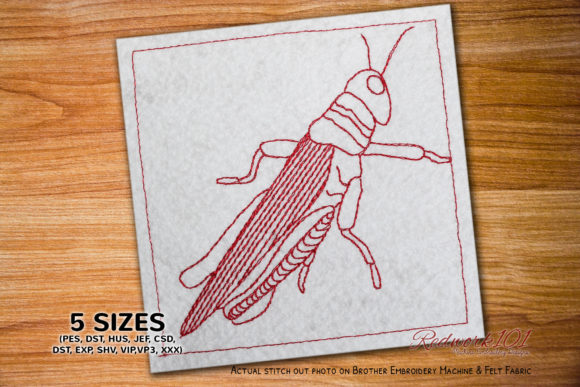
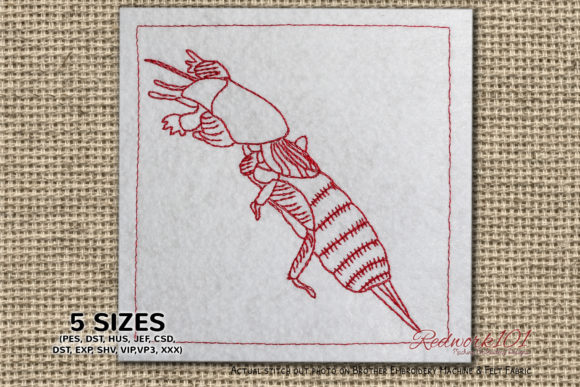
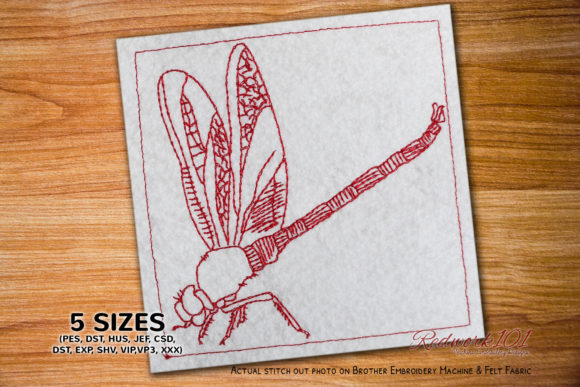
The first impression of the Beautiful Dragonfly is one of delicate elegance mixed with a touch of rustic charm. Unlike some aggressive or overly cartoonish insect designs, this piece feels sophisticated enough for a high-end florist or a nature-inspired bakery. The title suggests an aesthetic that leans towards the decorative and graceful, which is perfect for brands wanting to convey a sense of handmade care and organic beauty. However, the product description notes a crucial detail: "The Box Stitch shown in picture is optional." This immediately tells me that the versatility of this design is high. For a business owner, having the option to include or exclude a border frame means you can adapt the logo for different applications without needing two separate files.
Real-World Application for Small Business Merch
When evaluating the Beautiful Dragonfly for real-world commerce, I imagine several specific scenarios where this design would shine. For a local café or a boutique flower shop, this design works exceptionally well as an embroidered patch. Patches are currently a huge trend in small business merch because they allow for easy application onto various items. If a bakery wants to create a limited-run tote bag for their loyal customers, stitching this dragonfly onto canvas creates an instant connection to nature and freshness.
Furthermore, this design is ideal for staff uniforms. Imagine a garden center or a pet grooming salon where employees wear aprons or polo shirts. Placing the Beautiful Dragonfly on the chest pocket or the sleeve adds a professional yet approachable touch. It serves as a subtle brand marker that doesn't overwhelm the viewer. For Etsy sellers and crafters, using this as a label on handmade products—such as stitching it directly onto a linen napkin or a quilt tag—elevates the perceived value of the handmade product. It signals to the buyer that attention to detail was paid, transforming a simple item into a branded experience.
The flexibility mentioned in the description regarding the outer box color is particularly useful for custom apparel. If a business has strict brand guidelines requiring specific thread colors, the ability to skip the box color or change it ensures the design remains consistent with their visual identity. This adaptability makes it a strong candidate for diverse projects, from cap embroidery where space is limited, to larger tote bag design layouts where the dragonfly can be the central focal point.
Technical Considerations and Placement Strategy
While the aesthetic appeal is clear, a professional review must address the technical limitations. The description implies that the box stitch is an add-on, which suggests the core dragonfly design might be relatively intricate. When working with commercial embroidery, stitch density is always a concern. If you plan to use this design on a curved surface like a baseball cap, you must be cautious. High-density areas can cause puckering if the fabric isn't properly supported. Therefore, testing the design on a similar fabric texture before running a full production batch is non-negotiable.
Small business owners should also consider where they place this design. On a dark uniform, the contrast of the thread colors becomes vital. If the original design uses light threads for the wings, it will pop beautifully against navy or black, but if the shading is too subtle, the details might get lost in low light. Additionally, if you are aiming for a very small patch size—say, under two inches—the fine details of the dragonfly wings might merge together. In such cases, simplifying the fill or ensuring the stitch density is optimized for small scales is essential. Always check if the design retains its clarity when scaled down, as losing the definition of the "bug" category features can make the logo look like a smudge rather than a dragonfly.
Impact on Brand Identity and Customer Trust
In the world of branding, consistency is key. Using a cohesive set of design assets helps build recognition. The Beautiful Dragonfly offers a way to inject personality into a brand without sacrificing professionalism. For a creative studio or a wellness brand, this imagery reinforces themes of transformation, nature, and lightness. When a customer receives a gift bag or sees an employee wearing an apron with this high-quality embroidery, it builds trust. It shows that the business invests in quality presentation, which often translates to a perception of higher product value.
Moreover, in the age of social media, visual consistency drives engagement. A well-executed printable mockup featuring this design on various merchandise can be a powerful marketing tool. It allows potential clients to visualize the finished product before purchasing. Whether it is used as a subtle accent on a sleeve or a bold statement on a back panel, the design contributes to a narrative of craftsmanship. It tells the customer that this is not a mass-produced, generic item, but something curated with care.
Essential Notes for the Embroidery Professional
Before committing to a large run of apron embroidery or producing hundreds of patches, there are practical steps every designer and business owner should take. First, test the design in black and white or grayscale. This helps you understand the contrast and structure of the stitching without the distraction of color. Second, verify the hoop size requirements. Even though the box is optional, ensure your machine can handle the maximum dimensions of the design if you choose to include it.
Stabilizer choice is another critical factor. Given the likely detail in a dragonfly design, using a cut-away stabilizer might be necessary for stretchy fabrics like jerseys, while a tear-away could suffice for stable woven materials like twill or canvas. Always create a physical mockup for client approval. Seeing the finished product in hand reveals issues that screens often hide, such as thread sheen or fabric pull.
Finally, and perhaps most importantly, confirm the licensing terms. The description mentions skipping colors and optional boxes, but it does not explicitly state the commercial license scope. Before selling items featuring the Beautiful Dragonfly, ensure you have the right to use the embroidery file for commercial gain. Check the specific details regarding stitch count and file formats provided by the seller, as these are not included in the brief description. By taking these precautions, you ensure that this beautiful design becomes a profitable and professional asset for your business, rather than a production headache.