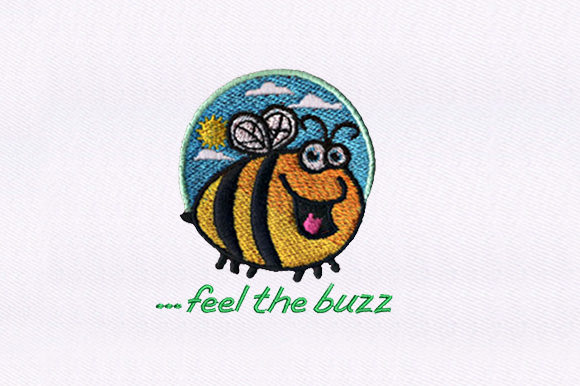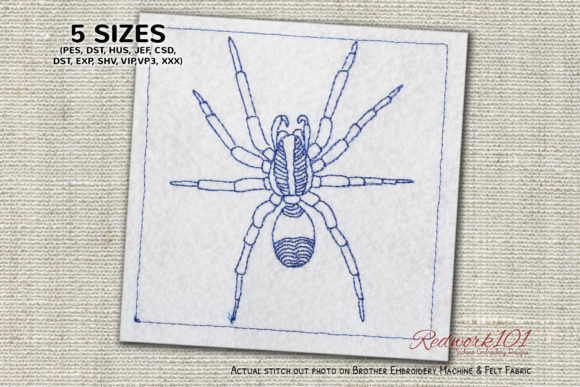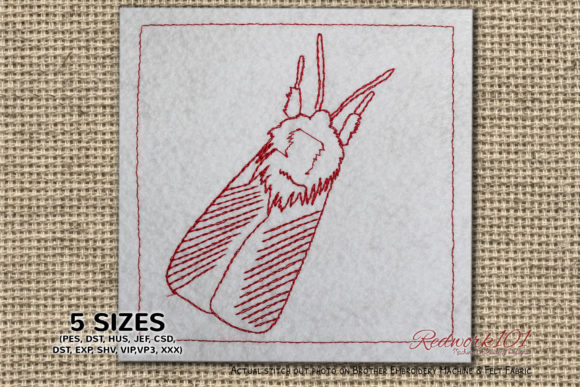
Whitefly Bug Embroidery Design
The Whitefly Bug embroidery design offers a unique and eye-catching addition to any handmade product line. Its minimalist yet detailed approach makes it versatile for a variety of craft fair and handmade market items. As an experienced embroidery designer, I’ve evaluated how this design translates across different products and what considerations are necessary for successful production and sales.
First Impression and Visual Appeal
Whitefly Bug has a modern and slightly whimsical feel. The design balances simplicity with intricate details, making it both visually appealing and easy to recognize at a glance. It doesn’t lean too heavily into the cute or farmhouse aesthetic, which gives it a more universal appeal. This neutrality helps it stand out in a busy craft fair booth, where customers are often drawn to designs that feel fresh and original.
The optional Box Stitch adds a layer of customization, allowing for creative flexibility. However, the outer box color is typically a different hue in most designs, which can be adjusted or omitted based on the fabric and thread colors used. This adaptability is a plus for sellers looking to match the design with their brand’s palette.
Performance on Different Products
On tote bags, Whitefly Bug works well as a subtle accent or a bold focal point, depending on the size. It pairs nicely with casual, everyday items like aprons and tea towels, where its clean lines and modern shape add a touch of sophistication. For caps and patches, the design maintains clarity without becoming too busy, making it ideal for small-scale embroidery projects.
Fabric pouches and pillow covers benefit from the design’s ability to scale up or down. When larger, it becomes a statement piece; when smaller, it serves as a delicate detail. This versatility makes it a valuable asset for handmade shops looking to offer a range of products with consistent branding.
As a printable mockup, Whitefly Bug holds up well in digital listings, especially when paired with high-quality images. It also translates well to commercial embroidery, provided the stitch density and stabilizer use are carefully managed.
Practical Selling and Production Considerations
Whitefly Bug is relatively straightforward to produce, but there are some key factors to consider. The design’s clarity at smaller sizes is important—especially for items like embroidered patches or small pouches. If the design loses definition when scaled down, it may not be the best choice for those applications.
For batch production, the design’s repeatable nature is a strong asset. It can be used across multiple products without feeling repetitive, which is great for maintaining brand consistency. However, the stitch density should be reviewed to ensure it doesn’t cause issues on thick fabrics or textured surfaces like towels.
Thread contrast is another critical factor. On dark fabrics, the design may require a lighter thread color to stand out effectively. Similarly, on light-colored materials, a darker thread might be necessary to prevent the design from blending in.
Careful-Use Notes
- Dense stitch areas: Whitefly Bug contains some fine details that could become crowded if not spaced properly. Test the design on scrap fabric before finalizing production.
- Tiny details: The design includes delicate elements that may not hold up well on curved surfaces like caps. Consider simplifying or adjusting these areas for better results.
- Small lettering: If the design includes text, ensure it’s large enough to remain legible on all product types.
- Thick fabric: Use a proper stabilizer to prevent puckering or distortion on heavier materials.
- Textured towels: The design may not show up clearly on rough or uneven surfaces. A smoother fabric option might be preferable.
- Dark fabric: Adjust thread colors to ensure visibility and contrast.
- Small sizes: Verify that the design remains clear and recognizable when reduced.
Impact on Visual Appeal and Customer Engagement
Whitefly Bug enhances the visual appeal of any product it’s applied to. Its clean lines and modern shape make it stand out in a craft fair booth, drawing attention without overwhelming the viewer. It also adds value to handmade products by offering a professional, well-designed look that customers appreciate.
As a craft fair seller, having a design like Whitefly Bug in your lineup can boost buyer engagement. It provides a sense of quality and uniqueness that resonates with customers looking for one-of-a-kind handmade items. Additionally, its adaptability allows it to fit into various product categories, making it a flexible addition to any shop.
Embroidery Designer Notes
Before producing Whitefly Bug for sale, it’s essential to test the design on different fabrics and thread colors. Confirm the hoop size needed and ensure the stitch density is appropriate for the intended product. Using the right stabilizer is crucial, especially when working with thicker or textured materials.
Create at least one real mockup to see how the design looks in person. Compare fabric colors to ensure the design stands out as intended. Finally, confirm the commercial licensing terms before selling finished products, as this will determine how you can use and distribute the design.
Whitefly Bug is a strong machine embroidery design that can elevate a range of craft fair products. With careful consideration of production and presentation, it has the potential to become a popular item among handmade shoppers and Etsy buyers alike.