White Wine Glass: A Craft Fair Best-Seller Review
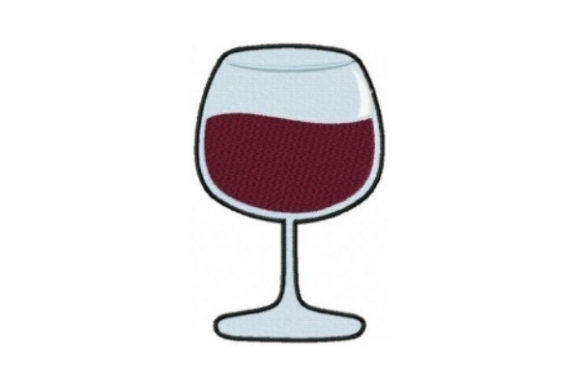
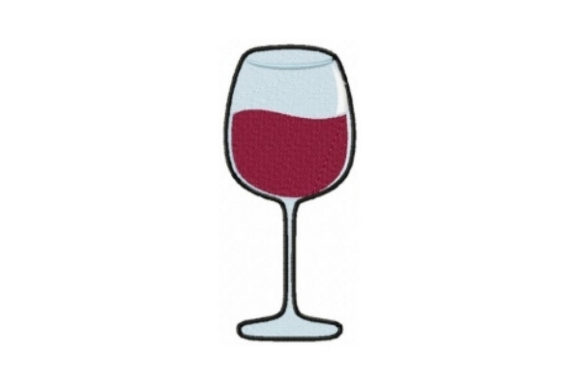
As an embroidery designer who has spent countless weekends behind a bustling craft fair booth, I know that the difference between a browsing customer and a buying customer often comes down to one thing: immediate visual impact. When I pulled up the White Wine Glass machine embroidery design on my screen this morning, my first thought wasn't just about stitch counts or file formats; it was about how this specific graphic would look on a linen tote bag hanging in my display rack. This design feels undeniably cute and approachable, hitting that sweet spot between modern minimalism and rustic farmhouse charm that dominates the current handmade market.
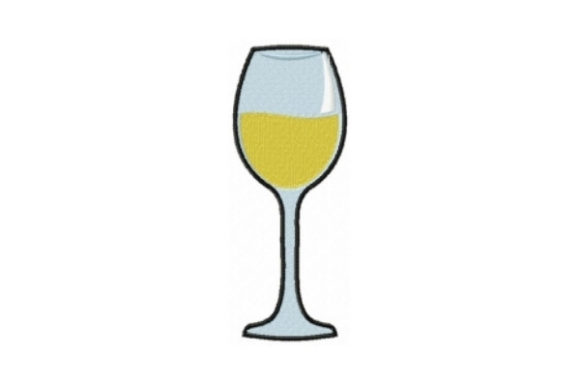
The description promises a versatile asset for all wine lovers, and from a production standpoint, that versatility is gold. In the world of commercial embroidery, we are constantly looking for designs that translate well across different substrates. The White Wine Glass appears to have clean lines and a playful silhouette that suggests it will perform exceptionally well as a focal point on smaller items like embroidered patches or fabric pouches, while still holding its own as a larger statement on apron embroidery projects.
Visual Appeal and Booth Display Strategy
When setting up a table display, you have mere seconds to catch a passerby's eye. The mood of the White Wine Glass is light, festive, and inviting. It doesn't scream "luxury" in an intimidating way; instead, it whispers "fun night in" or "girls' weekend," which are powerful emotional triggers for impulse buyers. For an Etsy seller or a boutique maker, this emotional connection is what drives sales.
I can already visualize this design stitched in crisp white thread against a navy blue tea towel, creating a high-contrast look that pops from three feet away. Alternatively, using a soft cream thread on a natural canvas tote bag would give it that trendy, understated aesthetic that appeals to younger demographics. The key here is thread colors. Because the subject matter is specific—a white wine glass—the thread choice needs to be deliberate. A stark white might look too clinical on some fabrics, whereas an off-white or silver-grey could add depth and sophistication.
For those creating printable mockups for online listings, this design offers excellent potential. Its clear shape means it will render beautifully in digital previews, helping customers visualize the finished product before they even click "add to cart." Whether you are selling the digital embroidery file itself or the physical handmade product, the visual clarity of this graphic is a major asset.
Product Versatility: From Kitchen to Closet
The real test of any machine embroidery design is its adaptability. Based on the description stating it looks great on any fabric or clothes, I evaluated where the White Wine Glass would shine brightest in a real-world inventory:
- Tote Bag Design: This is likely the highest volume seller. A large hoop placement on the front of a canvas market bag makes for an instant classic.
- Apron Embroidery: Perfect for the hostess who loves to cook and pour. Placing the design on the bib or the lower skirt adds a touch of personality to kitchen wear.
- Tea Towel Embroidery: These make fantastic low-cost add-on items at checkout. The design works well centered or in a corner cluster.
- Embroidered Patch: If your machine supports it, stitching this onto a twill backing creates a wearable accessory for denim jackets or hats.
- Caps and Pouches: While possible, these require more careful handling due to curved surfaces and limited space, but the payoff is a high-margin small shop product.
The description notes that this is a cute design, which implies it might lean towards a simpler, perhaps slightly whimsical style rather than hyper-realistic detail. This is actually beneficial for batch production. Complex, photo-realistic designs often take hours to stitch and consume massive amounts of thread. A cute, stylized White Wine Glass likely has a manageable run time, allowing you to produce multiple units before the next craft fair weekend.
Practical Production and Technical Considerations
Before you commit to stitching fifty units for an upcoming market, there are critical technical factors to review. Even though the product description is brief, experienced designers know that "comes with" usually implies standard file formats, but you must verify the hoop size requirements. If the design is too large for a standard 4x4 hoop, it may limit your ability to stitch it on smaller items like coasters or pocket accents.
Stitch density is another crucial element. Wine glasses have stems and bases that can be tricky. If the density is too high on a textured fabric like a waffle-weave tea towel, the design might sink or pucker. Conversely, if the density is too low on a smooth polo shirt, the fabric might show through, ruining the solid look of the glass. Always test the design on scrap fabric that matches your intended final product.
Special attention must be paid to stabilizer selection. For a design representing a glass, you want crisp edges. Using a cut-away stabilizer on stretchy fabrics like t-shirts will prevent distortion over time, while a tear-away might suffice for stable woven linens. Also, consider the issue of tiny details. If the design includes small text or intricate swirls around the glass, these may lose clarity when scaled down for a patch or a child's garment. Always inspect the smallest version of the design to ensure no elements disappear.
Maximizing Value and Customer Engagement
Incorporating the White Wine Glass into your lineup does more than just add a pretty picture; it enhances your brand consistency. If your booth focuses on home goods and lifestyle accessories, this design reinforces that theme perfectly. It signals to the customer that you understand their interests and lifestyle.
From a pricing perspective, handmade items featuring recognizable and relatable motifs like wine often command a slightly higher perceived value because they feel personalized and gift-ready. A plain tote bag is a commodity; a tote bag with a charming White Wine Glass embroidery is a statement piece. This distinction allows you to position your craft fair product not just as utility, but as an experience.
However, a word of caution regarding licensing: The description mentions the design comes with certain attributes, but it cuts off before specifying license terms. Before selling any finished product commercially, you must confirm the commercial licensing details with the creator. Some digital sellers allow unlimited physical sales, while others restrict the number of items or require an upgraded license for mass production. Never assume; always verify to protect your business.
Ultimately, the White Wine Glass embroidery file represents a solid opportunity for creative entrepreneurs. It balances aesthetic appeal with practical application. By paying attention to fabric texture, thread contrast, and proper stabilization, you can transform this simple digital asset into a standout item that draws crowds and fills registers. Whether you are an established Etsy seller or a newcomer to the handmade scene, this design has the potential to become a staple in your catalog, proving that sometimes the simplest ideas pour the best results.