Review: Cartoon House Applique for Real Projects
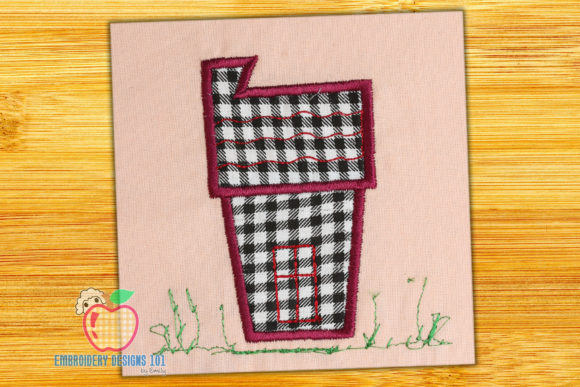
When I first pulled up the Cartoon House Applique file on my screen, my immediate reaction was one of nostalgic warmth. As a designer who spends hours analyzing stitch paths and density maps, I often look for that specific spark where technical precision meets emotional appeal. This design hits that mark. It isn't just a generic structure; it has a personality. The lines are playful yet defined, suggesting a whimsical cottage or a storybook home that feels inviting rather than rigid. For anyone running a craft business or looking to elevate their handmade product line, this kind of visual personality is gold. It translates instantly into a mood that customers connect with, whether it's for a nursery theme, a "home sweet home" gift, or a quirky addition to everyday wear.
First Impressions and Visual Personality
The layout of this applique design is particularly smart. Unlike some digital files that rely solely on dense fill stitch areas which can make a design feel heavy or plastic-like, this piece utilizes the texture of the fabric itself as part of the aesthetic. The applique method allows the base material to shine through, creating a softer, more organic look that fits perfectly with current trends in boutique branding. The shapes are distinct, with clear separation between the roof, walls, and any decorative elements like windows or doors. This clarity is crucial when you are working with smaller hoop size constraints or when the final finished product needs to be readable from a distance, such as on a tote bag hanging in a shop display.
The color separation steps mentioned in the file details suggest a thoughtful workflow. Having steps separated by color changes means less manual trimming for the operator and a cleaner finish overall. For an Etsy seller producing batches of items, this efficiency translates directly into higher profit margins and consistent quality control. The design feels balanced, not too top-heavy, which is a common pitfall in house-themed embroidery that can cause registration issues during stitching.
Real-World Application Scenarios
To truly test the viability of the Cartoon House Applique, I imagined several real-life production scenarios. The most obvious fit is baby embroidery. Picture a soft, pastel-colored onesie or a burp cloth featuring this little house. Because applique adds a tactile dimension, it becomes a sensory feature for infants while remaining durable enough for frequent washing. The whimsical nature of the cartoon style aligns perfectly with nursery decor, making it an ideal candidate for personalized crib sheets or wall hangings.
Beyond the nursery, this design shines in the realm of custom apparel. I can easily see this stitched onto the chest pocket of a denim jacket or the front of a cozy fleece sweatshirt embroidery project. For a small shop product line, imagine a series of canvas tote bag design options where the house represents different seasons or holidays. Since the file comes in multiple formats compatible with various machines, scaling this from a single custom order to a small batch for a craft fair is seamless. The versatility extends to embroidered patch creation as well; if backed correctly, these could be sold as standalone accessories for customers to iron or sew onto their own gear.
Holiday markets are another strong avenue. With slight modifications in thread choice—perhaps adding snow-like white accents or autumnal oranges—this house becomes a versatile holiday embroidery asset. It works beautifully on kitchen towels or aprons, offering a charming touch to home goods that people love to gift. The key here is the universal appeal of the "home" concept, which resonates across different demographics, from new homeowners to those sending care packages to college students.
Technical Considerations and Fabric Challenges
While the design is robust, practical application requires attention to detail. Applique inherently involves layers, which adds bulk. When working on stretchy fabrics like jersey knits for t-shirts, using the right stabilizer is non-negotiable. A cut-away stabilizer is often safer than tear-away for applique to prevent the stitches from puckering over time, especially since the house shape has distinct corners that need to remain sharp. On textured fabrics like terrycloth towels, the underlying texture might interfere with the finer details of the applique edge, so testing on scrap fabric first is essential to ensure the satin stitch borders cover the raw edges cleanly.
Curved surfaces present another challenge. If you plan to use this on a cap or a structured hat, the flat geometry of the house might distort slightly over the crown's curve. In such cases, positioning the design slightly lower or adjusting the digitizing tension (if you have editing capabilities) can help maintain the structural integrity of the image. Furthermore, dark fabrics require careful selection of thread colors. While the applique fabric provides the main color, the outlining stitches must contrast sufficiently to define the shape. A black outline on a navy blue house might get lost, reducing the visual impact and professional look of the item.
Dense stitch areas should also be monitored. Although applique reduces overall stitch count compared to full fill designs, the tack-down and finishing stitches can still be dense. On thin fabrics, this could lead to show-through on the backside or stiffness in the hand feel. For items like scarves or lightweight blouses, a lighter weight applique fabric and a corresponding adjustment in stitch density would be prudent.
Enhancing Brand Value and Customer Trust
In the world of commercial embroidery, consistency is king. The Cartoon House Applique offers a level of polish that boosts perceived value. When a customer receives a product with clean edges, precise color changes, and a well-executed applique, it signals professionalism. This builds trust and encourages repeat business. For digital product sellers, using this design in printable mockup galleries can significantly enhance listing appeal. Showing the design on various textures and products helps buyers visualize the end result, increasing conversion rates.
The design also supports brand consistency. If your shop specializes in cozy, home-centric goods, this motif becomes a recognizable symbol of your brand identity. It's distinct enough to be memorable but generic enough to fit various colorways and seasonal themes without losing its core identity. This flexibility is vital for maintaining a cohesive catalog without needing to purchase entirely new design assets for every minor variation.
Final Designer Notes and Best Practices
Before committing to a full production run, always treat the digital embroidery file with a critical eye. Even though the description states it works on multiple machines, verify the specific hoop requirements against your equipment. Check the licensing terms carefully; while many designs allow for physical sales, restrictions on reselling the digital file itself are common. Ensure you are compliant if you plan to offer this as part of a design assets pack or a DIY kit.
- Test First: Always stitch a sample on the exact fabric type you intend to sell. Fabric texture dramatically alters how applique sits and how the satin borders behave.
- Contrast Check: Review the design in black and white mockups to ensure the shape holds up without relying on color differentiation.
- Stabilizer Selection: Match your stabilizer to the fabric weight. Heavier fabrics might need less support, while knits demand robust stabilization to prevent distortion.
- Thread Quality: Use high-quality threads for the outlining stitches, as these define the crispness of the cartoon house. Poor thread can fray or break, ruining the clean look.
- Wash Testing: Since these items may be gifts or wearable goods, wash the test sample to check for shrinkage or fraying of the applique edges.
Ultimately, the Cartoon House Applique is a versatile and charming addition to any embroiderer's library. It bridges the gap between cute aesthetics and technical feasibility, making it a reliable choice for both hobbyists creating personalized gifts and entrepreneurs building a scalable product line. With proper preparation and attention to material choices, this design can become a staple in your portfolio, delivering joy to customers and reliability to your production workflow.