Orange Papaya: A Vibrant Review for Craft Fair Success
As an experienced embroidery designer preparing for the upcoming weekend craft fair circuit, I spend a significant amount of time curating which machine embroidery design files will make the cut for my booth. The goal is always to find that sweet spot between visual pop, production efficiency, and broad customer appeal. Today, I am reviewing Orange Papaya, a food-themed digitization that promises to bring a burst of tropical energy to handmade products. When setting up a table filled with embroidered tote bags, aprons, tea towels, and patches, you need designs that stop customers in their tracks. Here is my professional assessment of how Orange Papaya performs in a real-world retail environment.
First Impressions and Market Appeal
The moment I loaded the digital embroidery file for Orange Papaya into my software, the color palette immediately stood out. In the context of a busy craft fair aisle, bold colors are essential. This design leans heavily into a fun, modern, and slightly rustic aesthetic that fits perfectly with current trends in kitchen decor and summer fashion. It feels less like a formal floral arrangement and more like a cheerful accent piece. For an Etsy seller or boutique maker, this vibe translates well into "giftable" items. Customers browsing a market booth often buy with their eyes first; the bright orange hues against green foliage create a high-contrast look that photographs beautifully for printable mockup listings online as well.
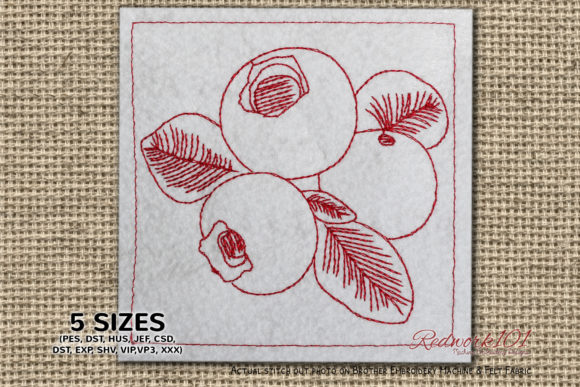
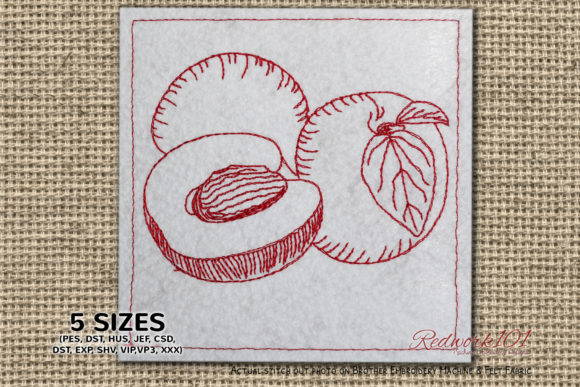
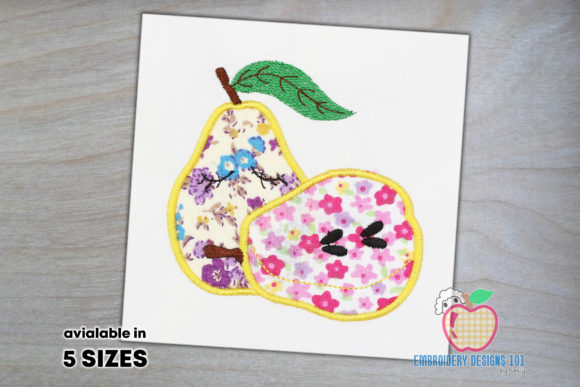
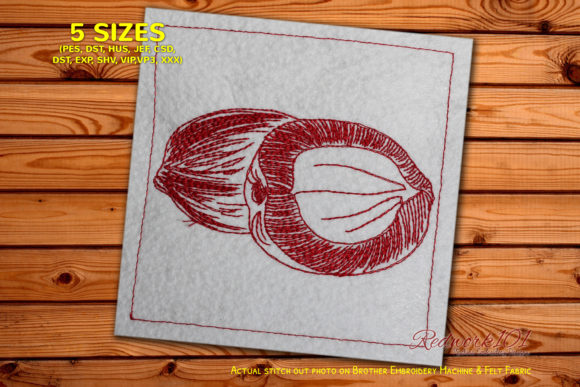
The description notes that "The Box Stitch shown in picture is optional." This is a crucial detail for a professional producer. It implies versatility. If I want a clean, floating fruit motif on a dark navy tote bag, I can skip the box entirely. If I am aiming for a framed, vintage label look on a linen tea towel, I can include it. This flexibility allows me to adapt one embroidery file to multiple product lines without purchasing separate designs, maximizing the return on investment for my design assets.
Product Versatility and Placement Strategy
When planning my booth inventory, I evaluate where a design sits best on a finished product. Orange Papaya shines as a focal point on medium-to-large items. On a canvas tote bag design, placing this motif centrally creates an instant statement piece. It transforms a plain utility bag into a summer market essential. Similarly, for apron embroidery, positioning the papaya near the chest pocket or centered on the bib adds a playful touch that appeals to home cooks and hosting enthusiasts.
For smaller items like embroidered patch blanks or fabric pouches, the scalability of the design becomes the primary concern. Because food illustrations often rely on specific shapes to remain recognizable, shrinking this design too much might cause the details of the fruit texture to merge. However, as a medium-sized accent on a zippered cosmetic bag or a corner embellishment on a pillow cover, it maintains its clarity. The optional box stitch actually helps here; if used as a border, it defines the edges of the patch, making it look more like a manufactured label than a simple stitch-out.
I also see strong potential for tea towel embroidery. Kitchen textiles are huge sellers at craft fairs. The organic shape of the papaya complements the natural drape of flour sack towels. Whether stitched in the corner or as a repeating pattern down the length of the towel, the theme fits the "farmhouse chic" demographic that dominates the handmade market.
Production Realities and Technical Considerations
From a production standpoint, efficiency is key when batch-producing for a event. Before committing to a full run, I always advise testing the design on scrap fabric. You need to check the stitch density carefully. Fruit designs can sometimes be dense to achieve a satin-smooth look on the flesh of the fruit. If the density is too high on a lightweight fabric, you risk puckering. Conversely, if it is too low on a thick towel, the backing might show through.
One specific note from the product description mentions that "The color of outer Box is different color in most of the designs unless it is part of the design itself." This suggests that if you choose to use the box, you must be mindful of your thread colors. On dark fabrics, a light-colored box might be necessary for contrast, whereas on white canvas, a darker outline might define the shape better. Always review the color sequence in your machine before starting a production run to ensure the thread changes align with your workflow.
Curved surfaces, such as caps, present a unique challenge. While Orange Papaya could work on a dad hat, the curvature of the front panel can distort wide designs. If the papaya illustration is wider than it is tall, it may wrap awkwardly around the curve. In this case, I would recommend sizing it down significantly or using it as a side-panel accent rather than a center-front logo. Additionally, textured towels can swallow up fine details. If the design includes tiny seed details or thin leaf veins, these might get lost in the loop of a terry cloth towel. A smooth weave linen or cotton duck is a safer bet for preserving the intricate parts of the artwork.
Visual Impact and Customer Engagement
In a crowded marketplace, brand consistency and visual appeal drive sales. Orange Papaya offers a cohesive look that can tie together a whole collection. Imagine a display featuring a tote bag, a matching apron, and a set of coasters, all featuring this same vibrant fruit. This cross-merchandising technique encourages buyers to purchase multiple items. The design feels premium yet accessible, striking a balance that appeals to both young creatives and established home decorators.
Photography is another area where this design excels. For online listings, the bright colors pop against neutral backgrounds, increasing click-through rates for small shop product pages. The clear subject matter makes it easy for customers to understand what they are buying at a glance, reducing hesitation. Whether used for commercial embroidery services or sold as ready-made goods, the professional finish of a well-digitized food motif adds perceived value to the item.
Final Designer Recommendations
To ensure the best results with Orange Papaya, follow these practical steps before your next craft fair:
- Verify Licensing: The description hints at commercial use possibilities, but always confirm the specific license terms included with your purchase to ensure you are cleared to sell finished goods.
- Check Hoop Size: The file does not specify exact dimensions in the short description. Measure the design in your software to confirm it fits your intended hoop size without needing a re-hoop, which slows down production.
- Select the Right Stabilizer: Match your stabilizer to the fabric weight. Use a cut-away for stretchy knits and a tear-away for stable wovens like canvas or linen to prevent distortion.
- Create a Physical Mockup: Never rely solely on digital previews. Stitch one sample on the actual material you plan to sell to judge the hand-feel and visual clarity.
- Contrast Check: Ensure your thread choices provide enough contrast against the fabric color, especially if you decide to omit the optional box stitch.
In conclusion, Orange Papaya is a versatile and vibrant addition to any embroidery business owner's library. Its ability to adapt to various products, from tote bag design applications to kitchen linens, makes it a smart choice for maximizing booth space and inventory variety. With careful attention to fabric selection and stitch settings, this design has the potential to be a top seller at your next event.