Mixer Redwork Review
As an experienced embroidery designer, I often evaluate machine embroidery designs for small business merch, custom apparel, and branded patches. Mixer Redwork stands out as a versatile option with a unique visual personality that can enhance brand identity across various applications.
First Impression of Mixer Redwork
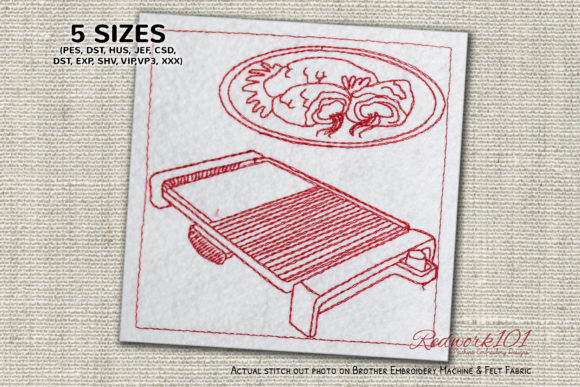
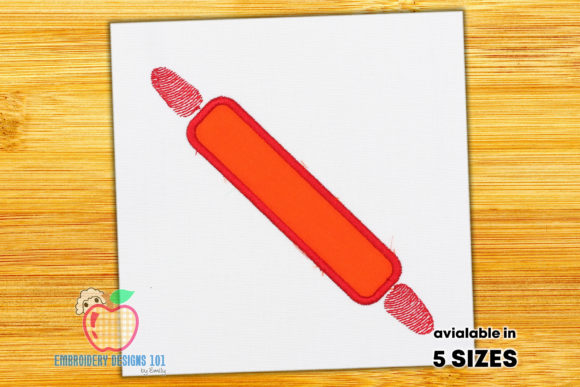
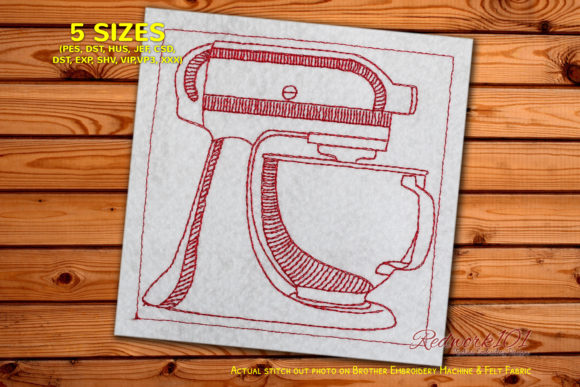
Mixer Redwork carries a rustic, handmade feel that blends well with the kitchen theme. The design elements suggest a friendly, approachable aesthetic that could work well for cafes, bakeries, or boutique shops looking to add a touch of charm to their merchandise. The Box Stitch shown in the picture is optional, allowing for customization based on the project's needs.
The color of the outer Box varies in most designs, which gives flexibility but also requires careful consideration when choosing thread colors. If the Box is not part of the design itself, it can be skipped directly in your machine, offering more control over the final look.
Real Business Use of Mixer Redwork
Mixer Redwork is ideal for embroidered patches, staff uniforms, aprons, caps, and tote bags. Its bold lines and structured layout make it suitable for both casual and semi-formal environments. Whether used as a chest logo accent or a sleeve detail, it adds a professional yet welcoming presence to any product.
For small business merch, this design can serve as a key element in product packaging accents, customer gifts, or event merch. It also works well for Etsy branding, craft business assets, and printable mockups. Its simplicity allows it to pair well with other design assets without overwhelming the overall look.
In commercial embroidery projects, Mixer Redwork can be a strong addition to work shirts, product labels, and branded product add-ons. Its clean lines and minimal details ensure it remains visible and legible even at smaller sizes.
Where to Use Carefully
While Mixer Redwork is adaptable, there are situations where caution is advised. At small patch sizes, the design may lose some of its clarity, especially if the lettering is tiny or the stitch density is too high. On curved surfaces like cap fronts, the design may need adjustment to maintain its intended shape.
High stitch density and detailed outlines could pose challenges on textured fabrics or dark uniforms, where the contrast might not be as effective. It’s important to test the design on real fabric before committing to large-scale production.
Additionally, if the design includes intricate elements or specific thread colors, it’s crucial to review the spacing and hoop size to ensure it fits within standard embroidery equipment. A proper stabilizer should always be used to prevent puckering or distortion during stitching.
Impact on Brand Identity and Customer Trust
Mixer Redwork contributes to a cohesive brand identity by offering a consistent visual element that aligns with a kitchen or handmade product theme. Its friendly and rustic appearance can help build trust with customers who value authenticity and craftsmanship.
When used on apron embroidery, cap embroidery, or tote bag design, it enhances the professionalism of the finished product. This, in turn, increases the perceived value of the merchandise and strengthens buyer engagement through visual consistency.
For handmade products, Mixer Redwork provides a polished yet approachable look that complements the artisanal nature of the items. It can be a powerful tool for small businesses aiming to establish a recognizable and trustworthy brand presence.
Practical Embroidery Designer Notes
Before using Mixer Redwork for client projects, I recommend testing it in black and white first. This helps assess how the design translates without color distractions. Check if it works at small patch sizes and review thread color contrast to ensure visibility on different fabrics.
Inspect the spacing between elements to avoid overcrowding, and confirm the hoop size required for the design. Testing on real fabric is essential to see how the design behaves under actual conditions. Always use the appropriate stabilizer to support the fabric and maintain quality.
Creating a printable mockup for client approval is a smart step to ensure everyone is satisfied with the final look. Compare Mixer Redwork beside other design assets to see how it integrates into the broader brand strategy. Lastly, confirm commercial licensing before using it for business purposes to avoid any legal issues.
Conclusion
Mixer Redwork is a valuable addition to any embroidery designer’s toolkit, especially for small businesses focused on kitchen-themed merchandise, handmade products, or branded patches. Its rustic charm and clean structure make it adaptable for a wide range of applications, from apron embroidery to tote bag design.
By following best practices and considering the practical aspects of machine embroidery design, you can maximize the potential of Mixer Redwork while maintaining quality and professionalism. Whether you're working on custom apparel, event merch, or product labels, this design offers a reliable and stylish solution for your next project.